Theoretical Costume Design
The Lily’s Revenge
by Taylor Mac
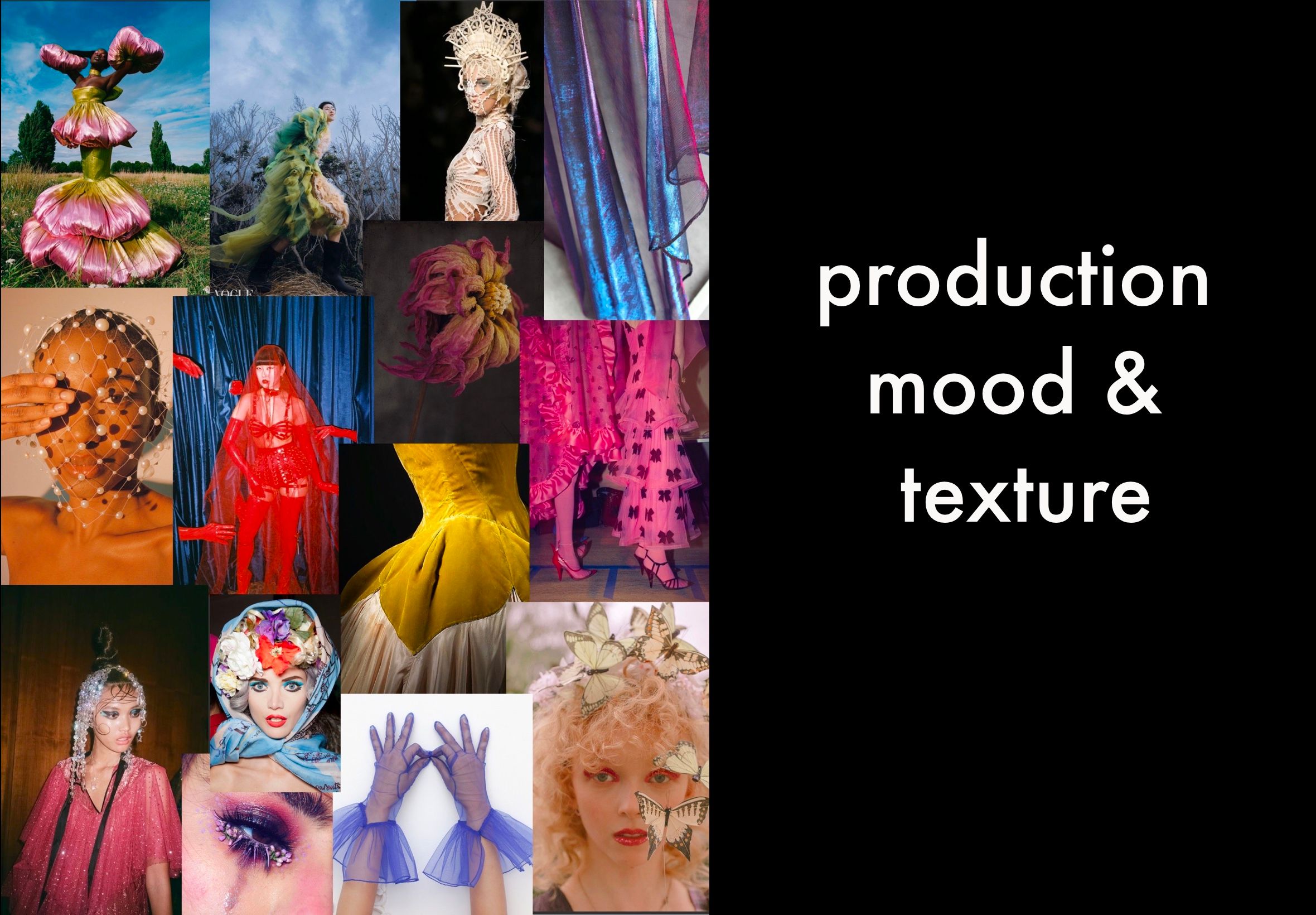
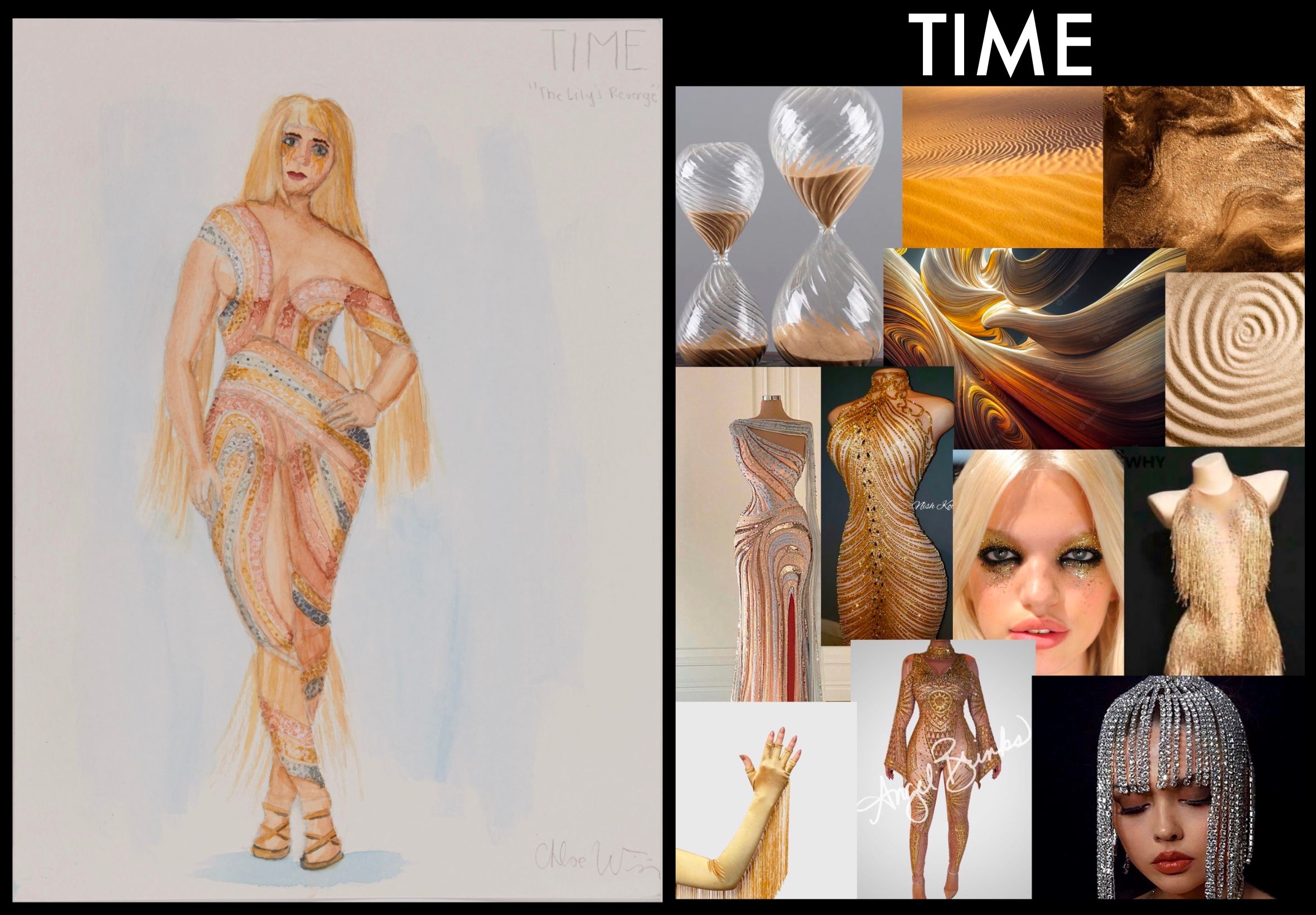
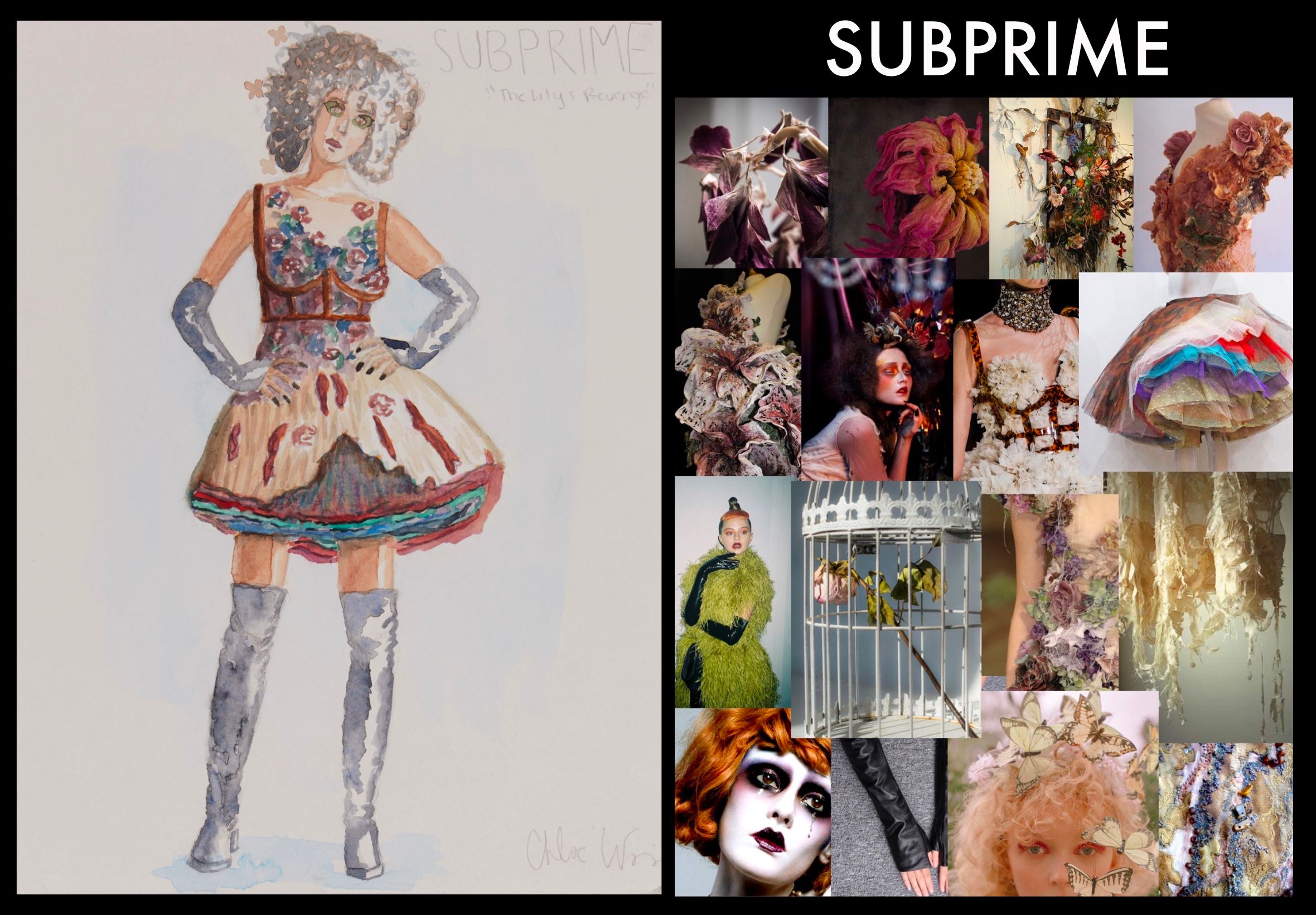
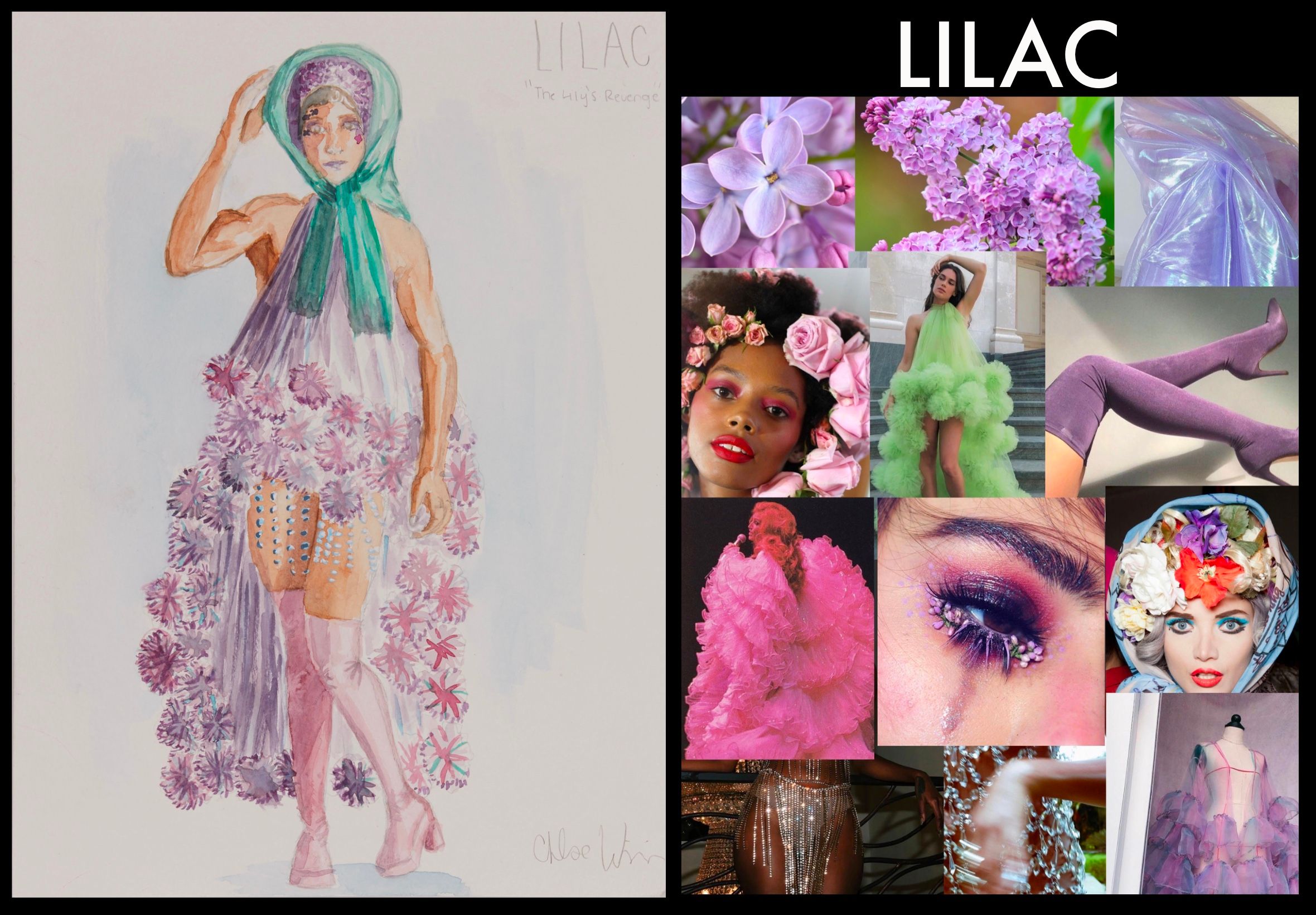
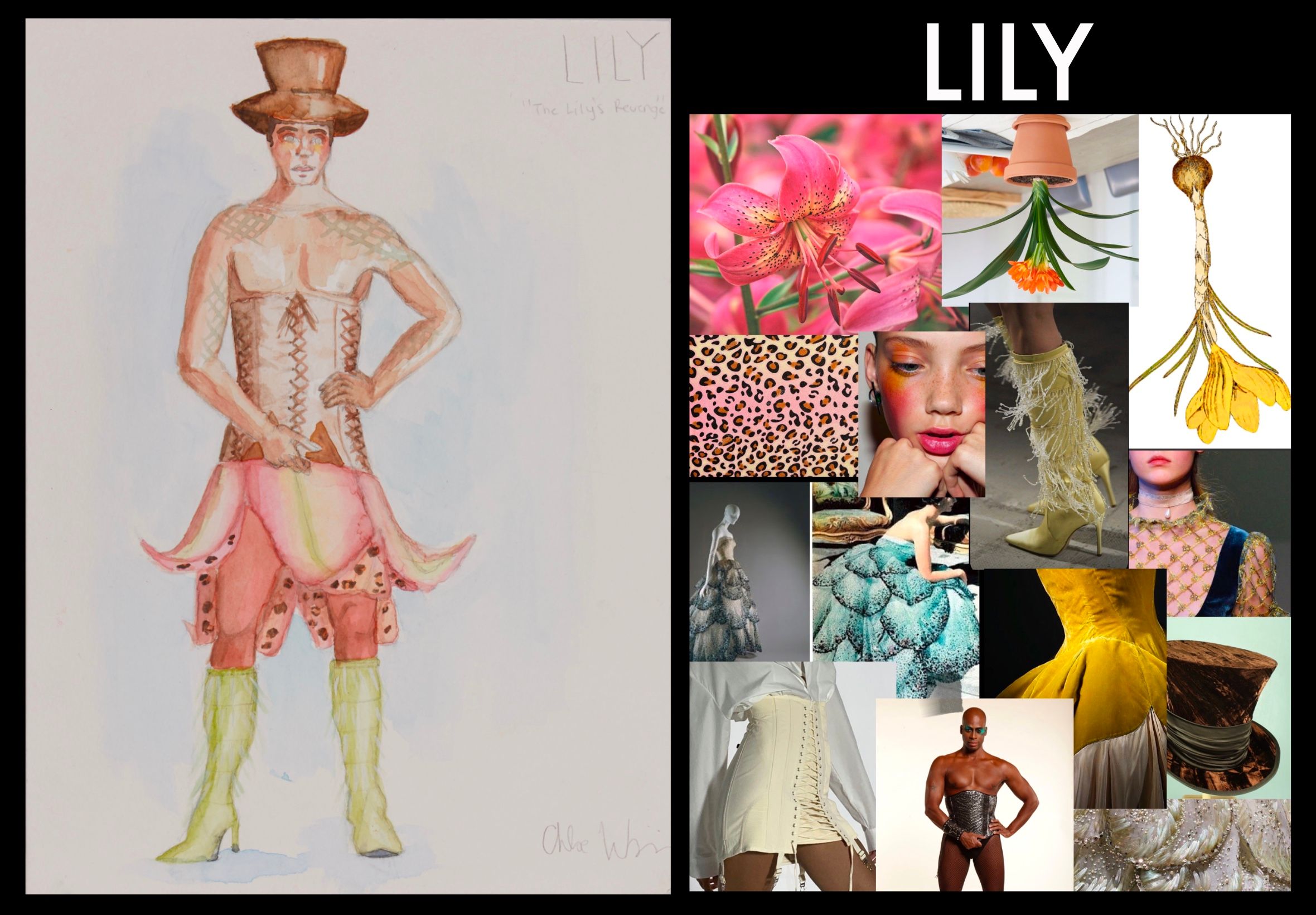
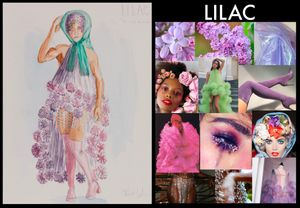
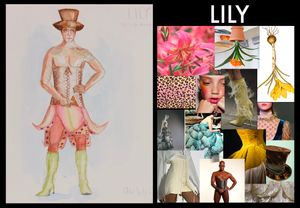
I was inspired by texture, color, and playfulness in my designs. The show itself is over the top and lively, as well as funny, self-aware, and at times comically sexual and erotic. I wanted to capture this energy of excess and theatricality through bright color combinations that might be unexpected or verge on clashing and an abundance of texture, frills, trimming, accessories, and shine. I used tulle, pom poms, crystals, fishnet, fringe, beading, rhinestones, ribbons, polka dots, vinyls, and cheetah prints. I wanted to use these interesting elements that we often don't get to play with in our everyday lives, or in more grounded shows to communicate, this feeling of being in a colorful, vibrant, and almost shocking world where normative ideas are challenged, multiple styles of theater are used, and the characters all end up in an orgy. A lot of the images I pulled from editorial fashion photography, where fashion and staging are more extravagant than usual, in addition to pulling images from couture and runway fashion. Below are finished costume renderings. followed by inspiration image boards.
Midsummer Night’s dream
by William Shakespeare
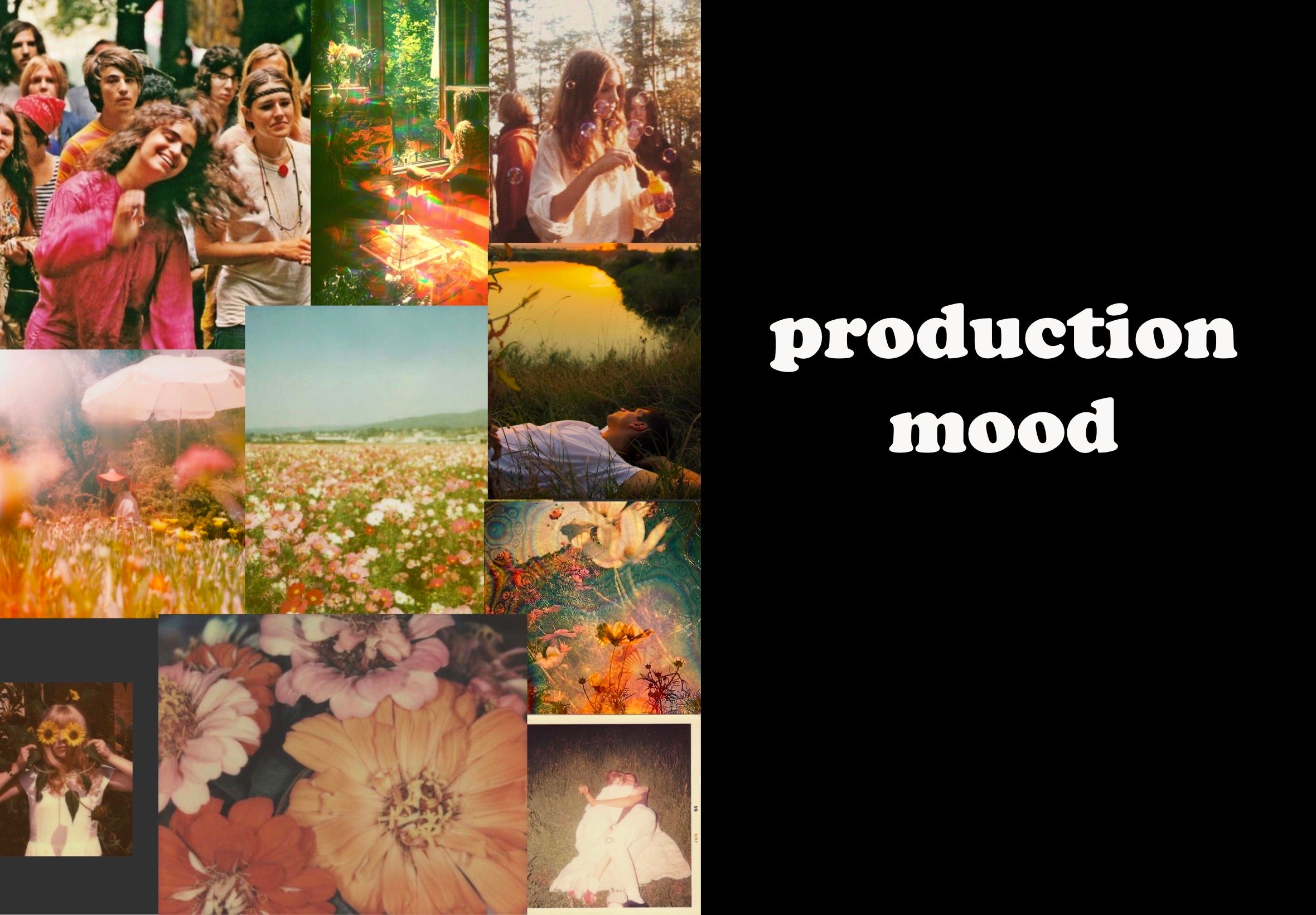
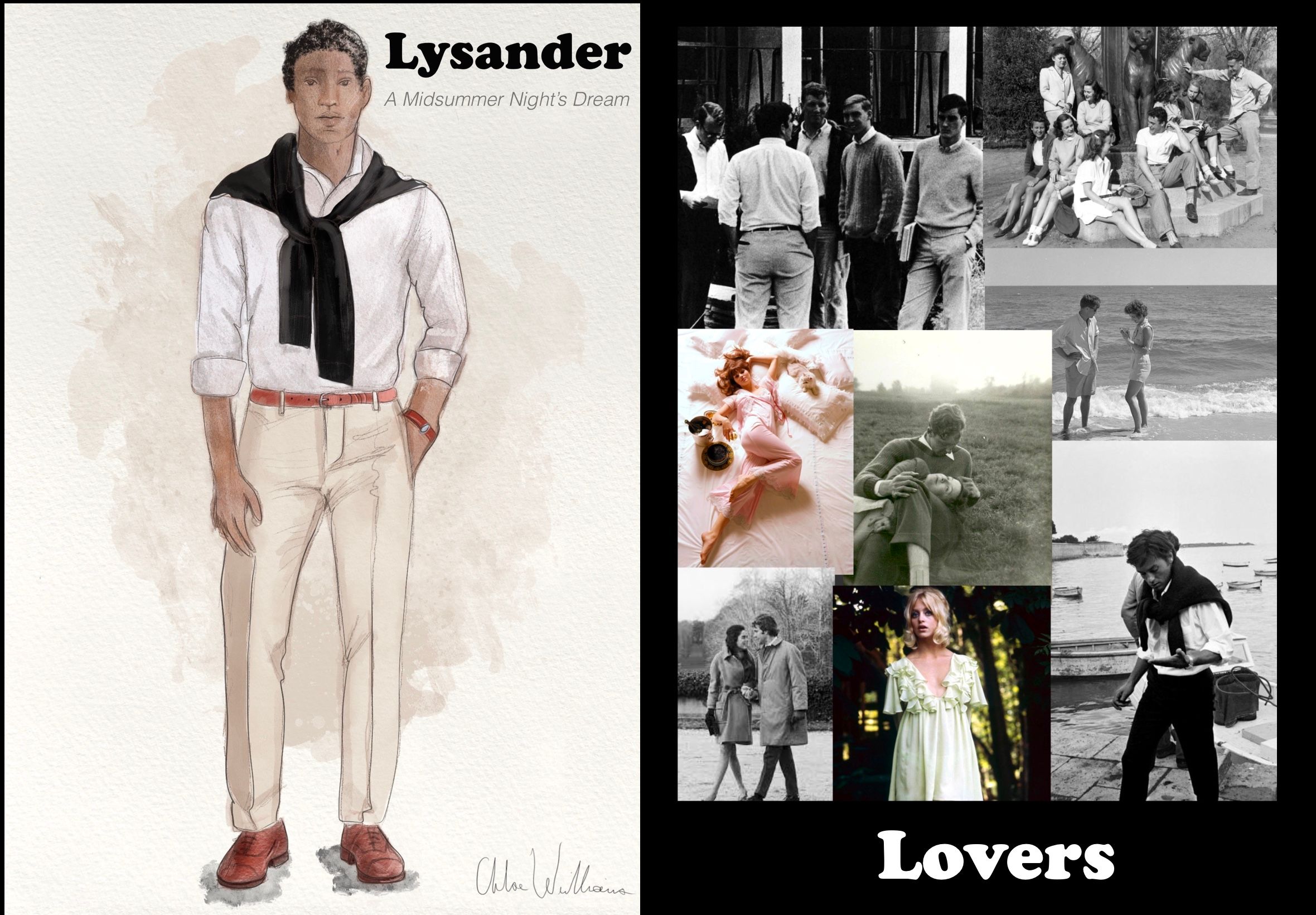
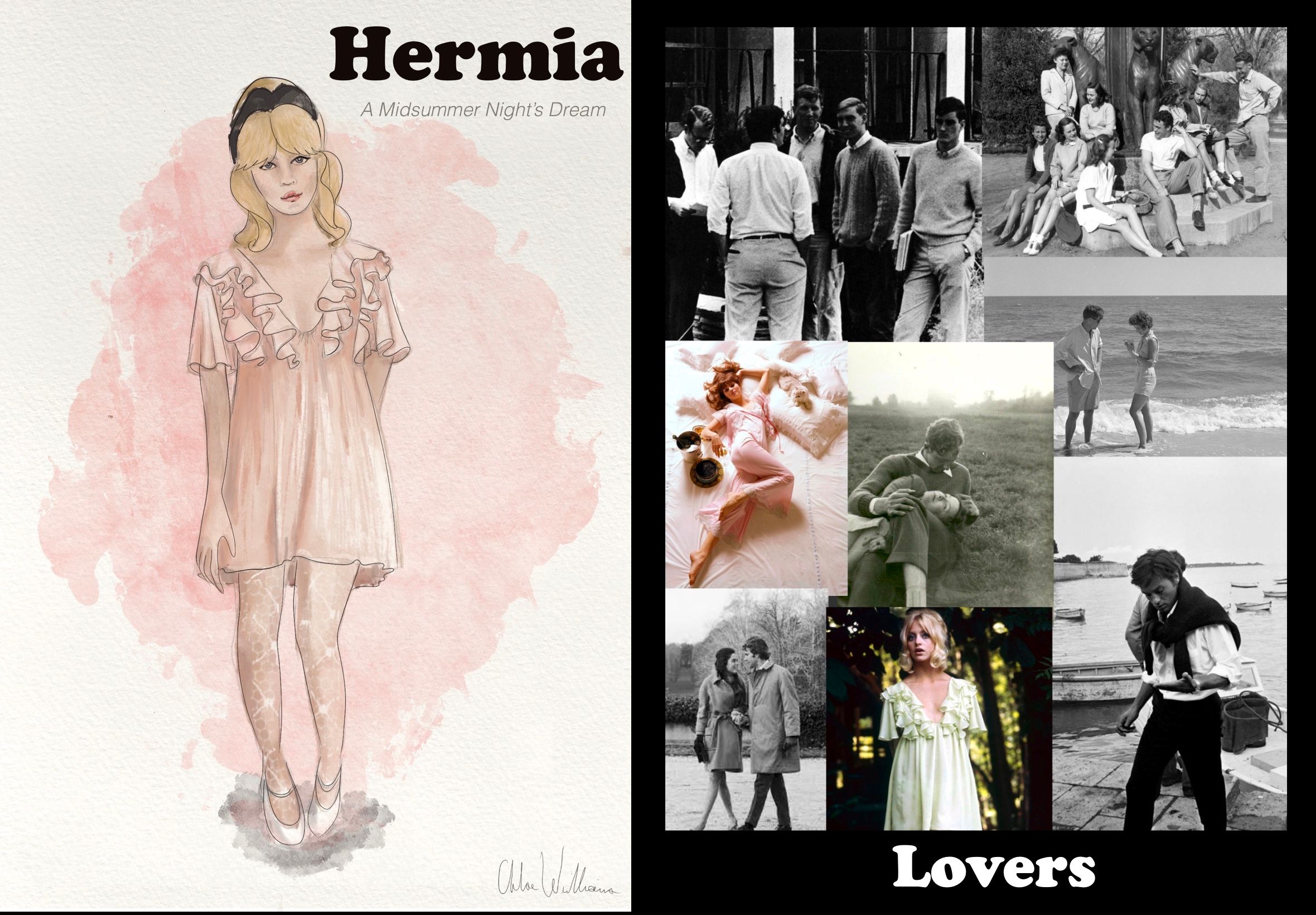
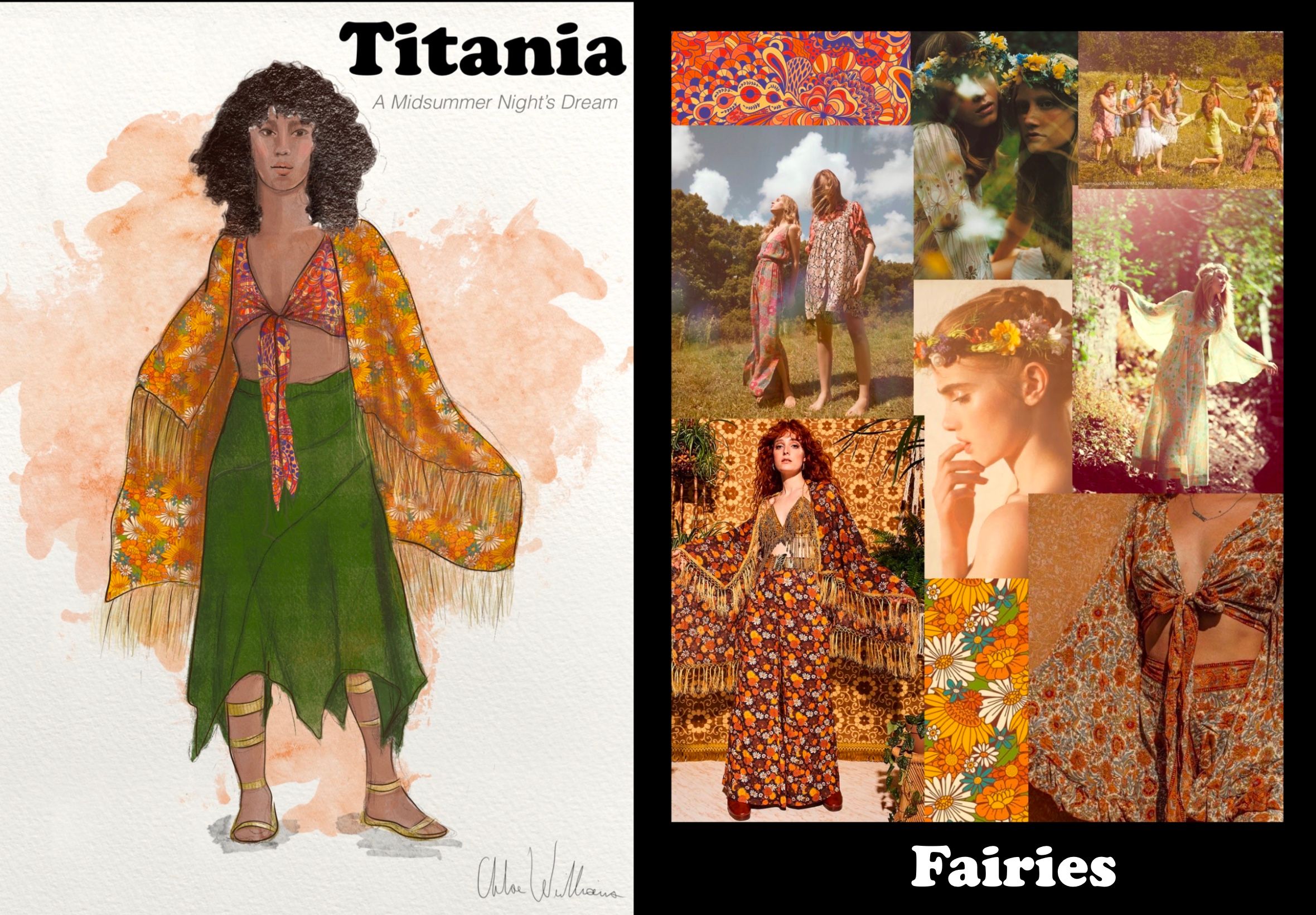
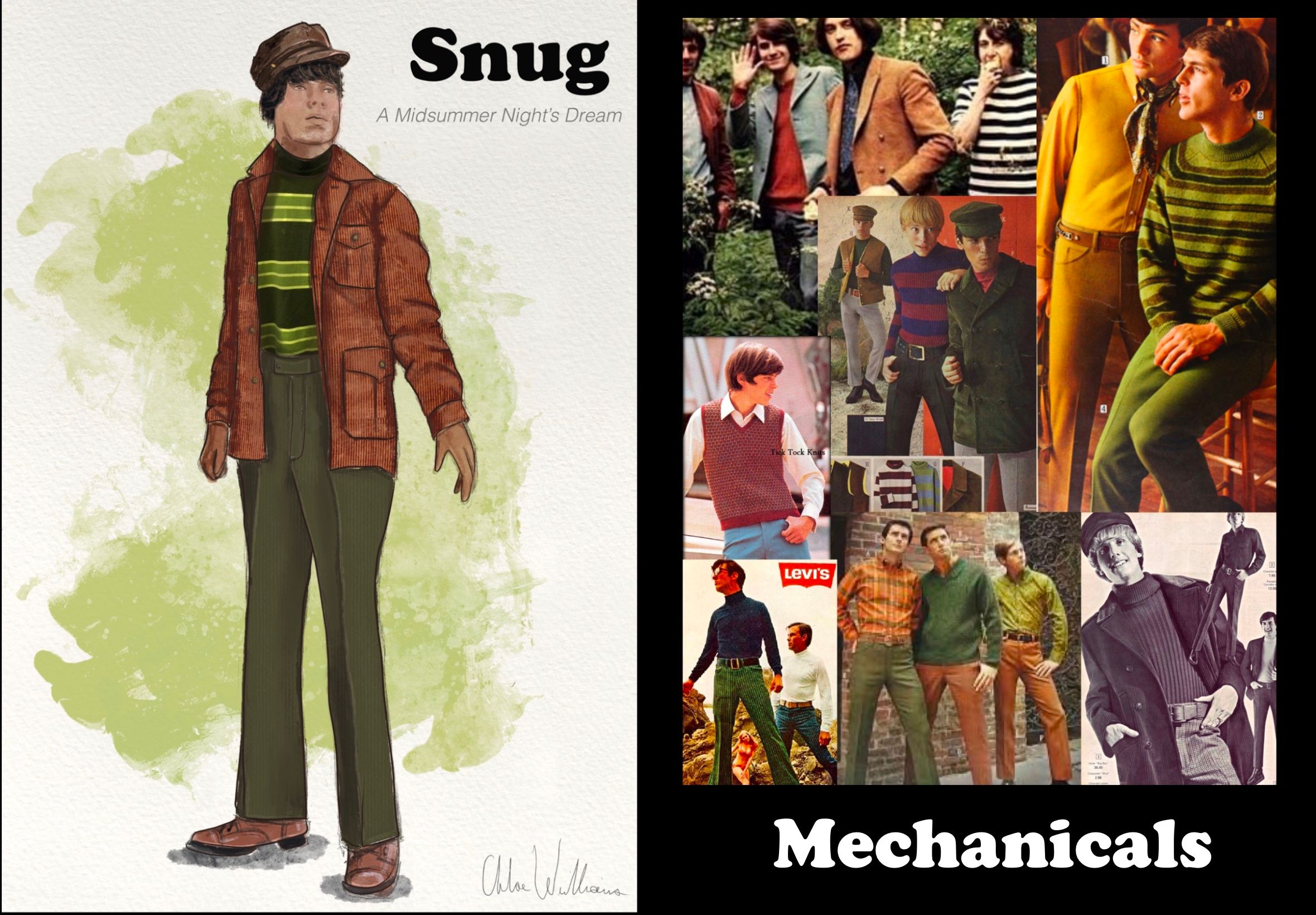
I wanted to emphasize the elements of mischief and chaos that makes A Midsummer Night's Dream so entertaining, as well as the concept of a strange dream that leaves you dazed and confused. I chose to set the play loosely in the 1960's, a period full of colorful fashion and psychedelic drugs--a more literal translation of the spells cast by the fairies. I wanted to tap into more preppy, conservatives styles for the wealthy royals, considering their strict gender roles, family hierarchies, and wealthy status. I would have the play set in the Northeast, outside of an Ivy League, to provide a forested setting and a social standing for the male lovers. On the other hand, I wanted the nature-connected hippies of the 1960's to be the inspiration for the fairies. The gathering of eccentric characters in the forest at Woodstock provides a loose image of what the fairies' revelries would be. Lastly, the working class mechanicals provide humor and entertainment, so I wanted to utilize the bright, spunky streetwear of mod fashions from the decade to add more color to the show.
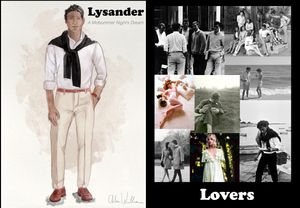
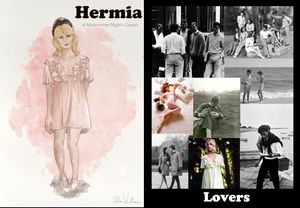
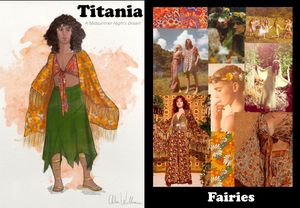
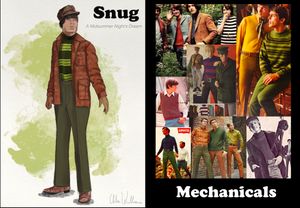
Intimate Apparel
by Lynn Nottage
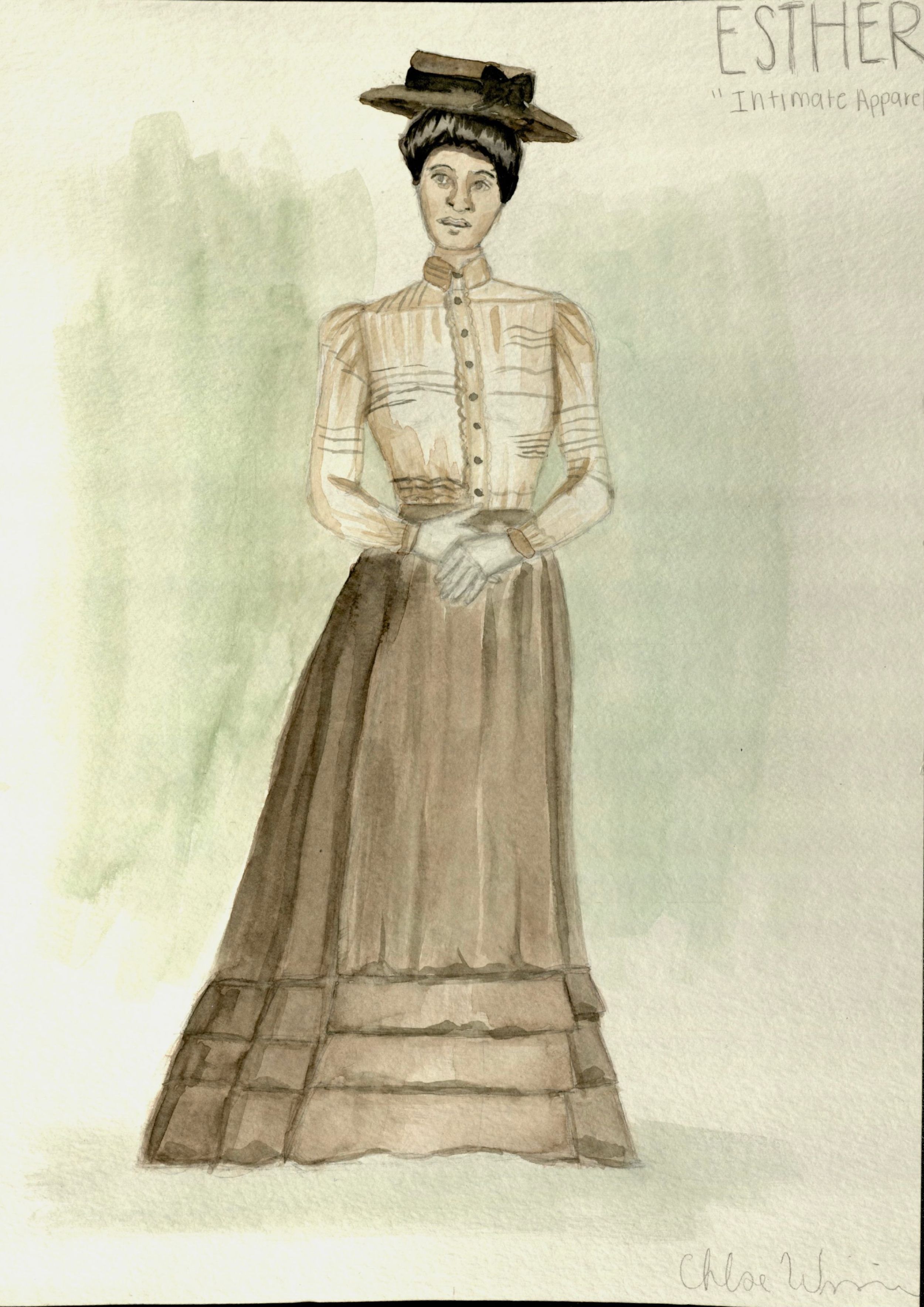
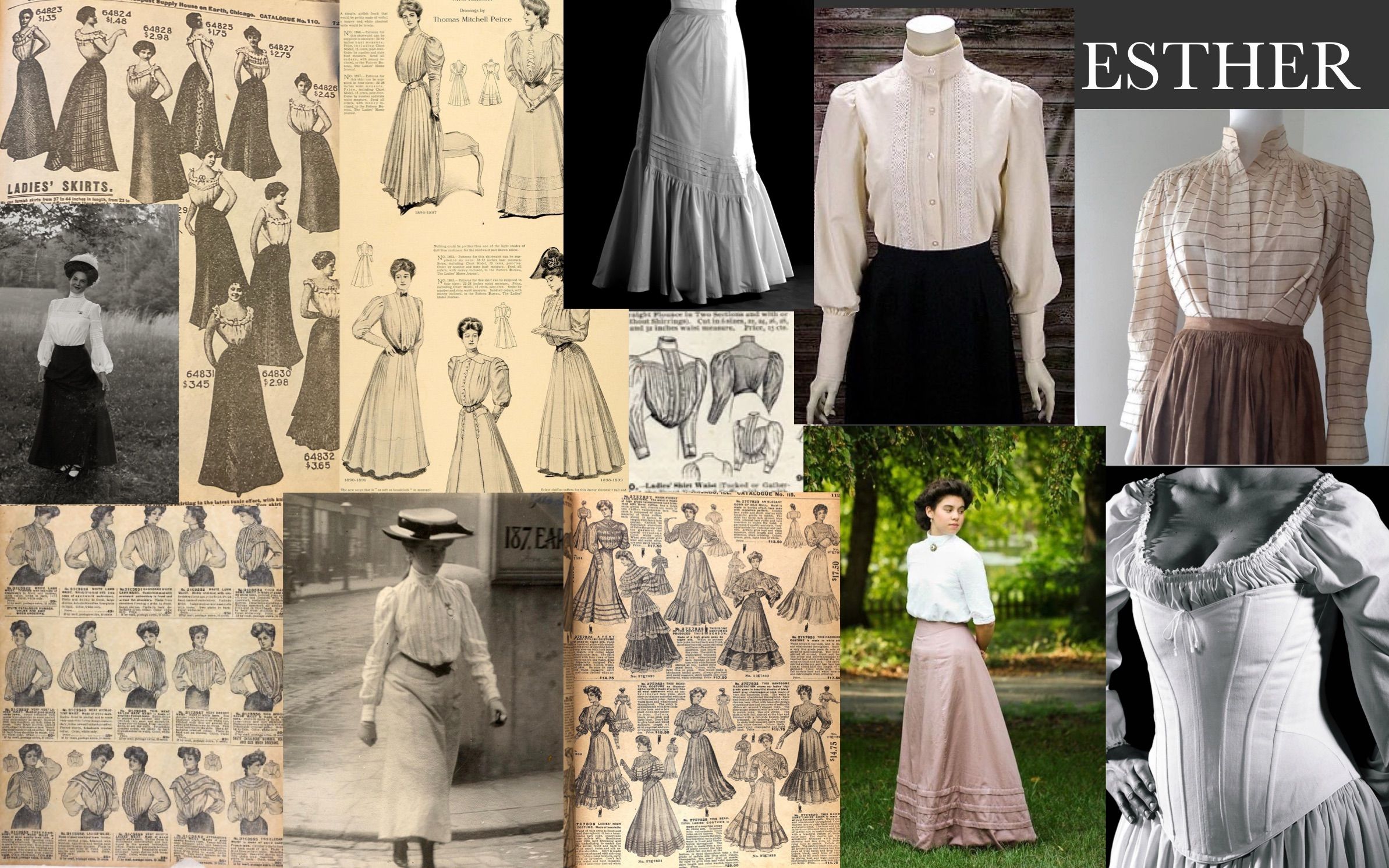
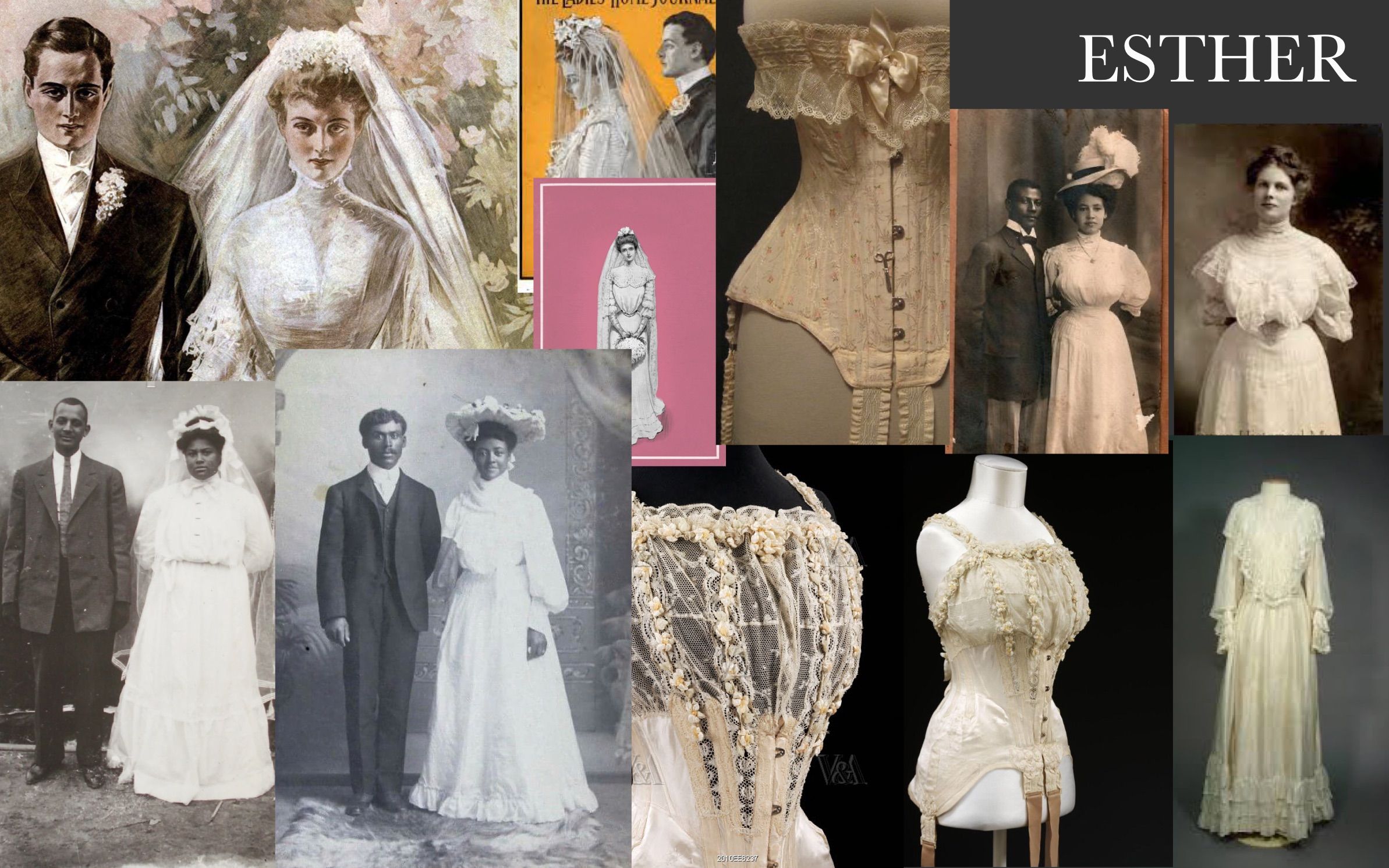
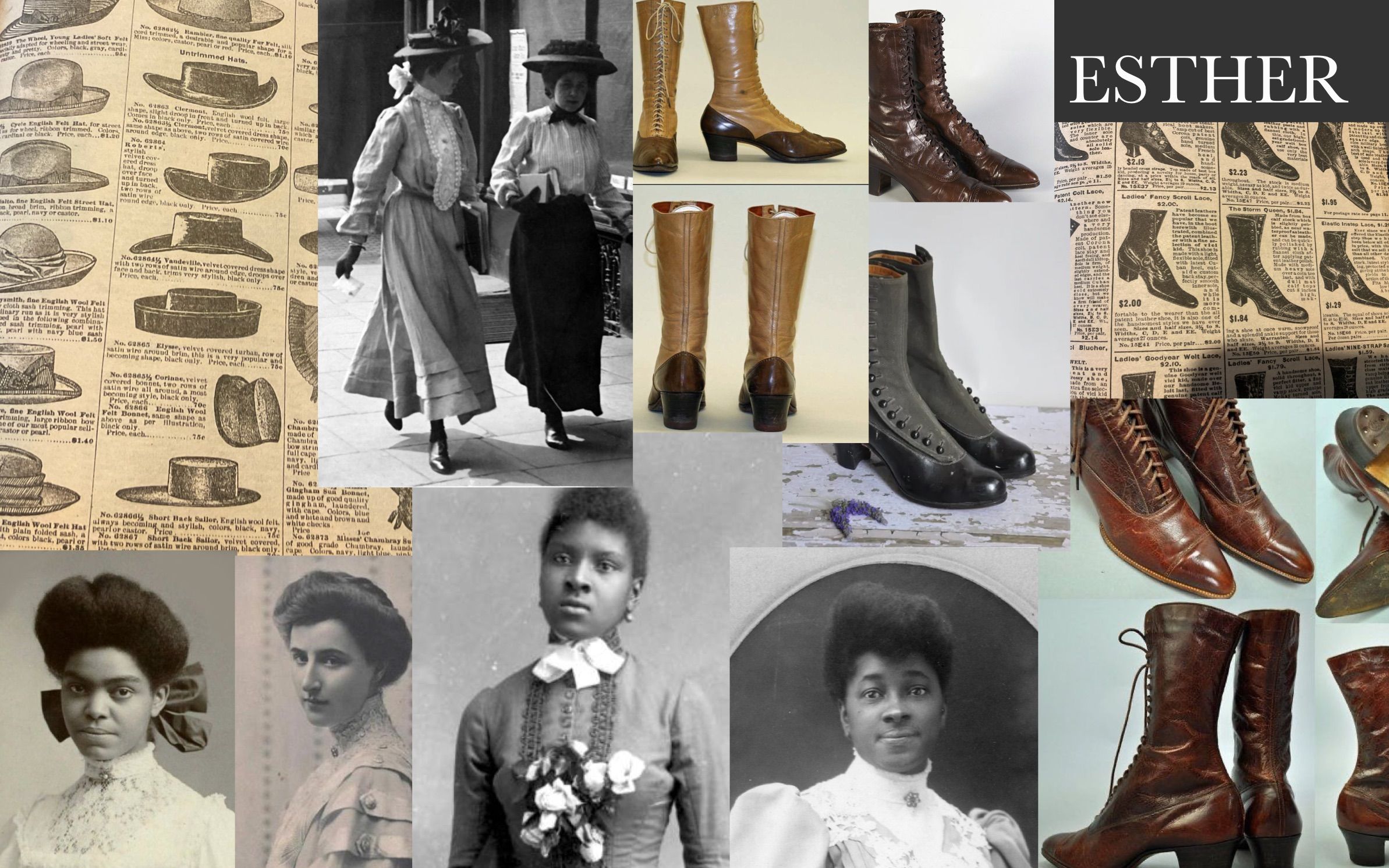
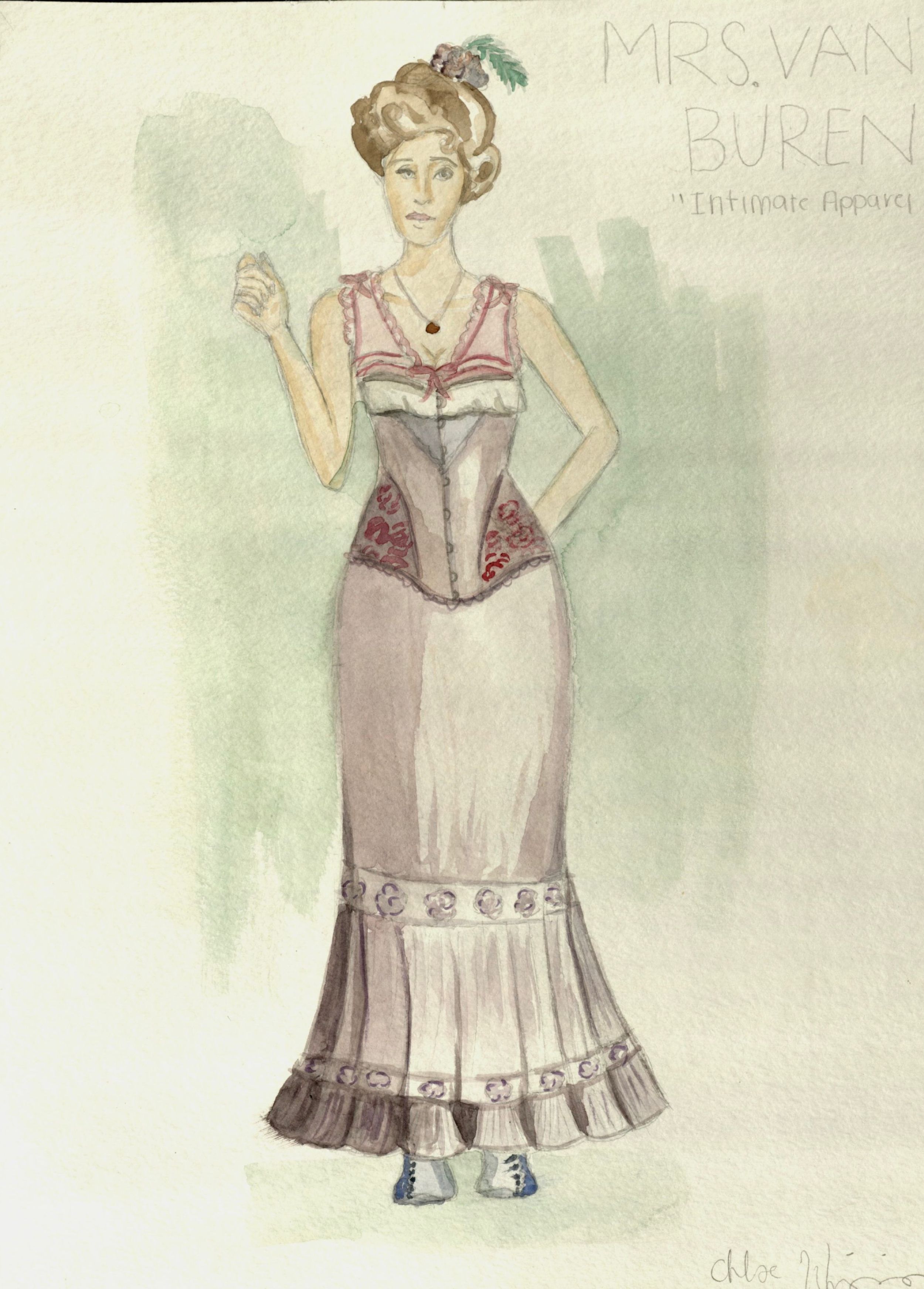
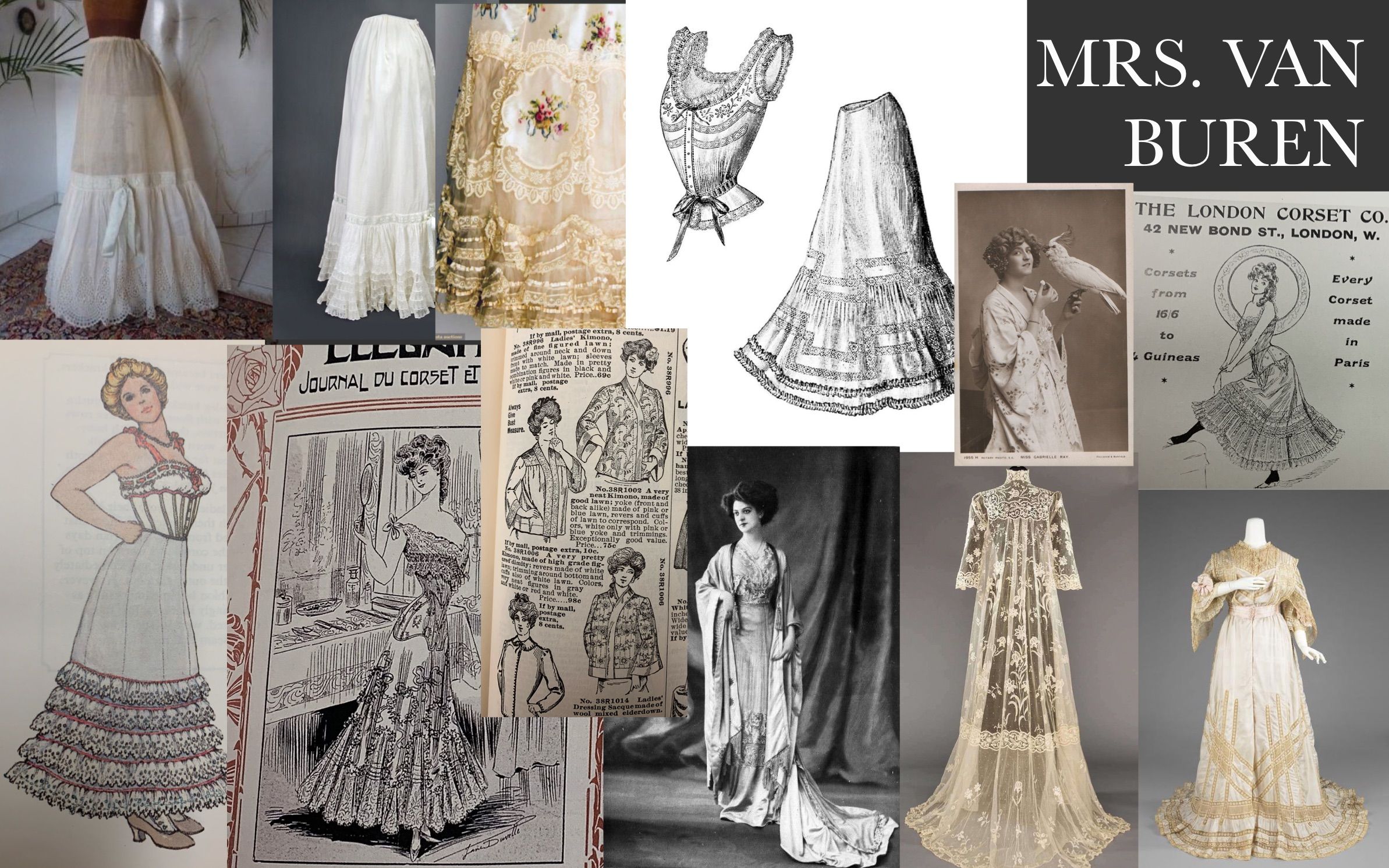
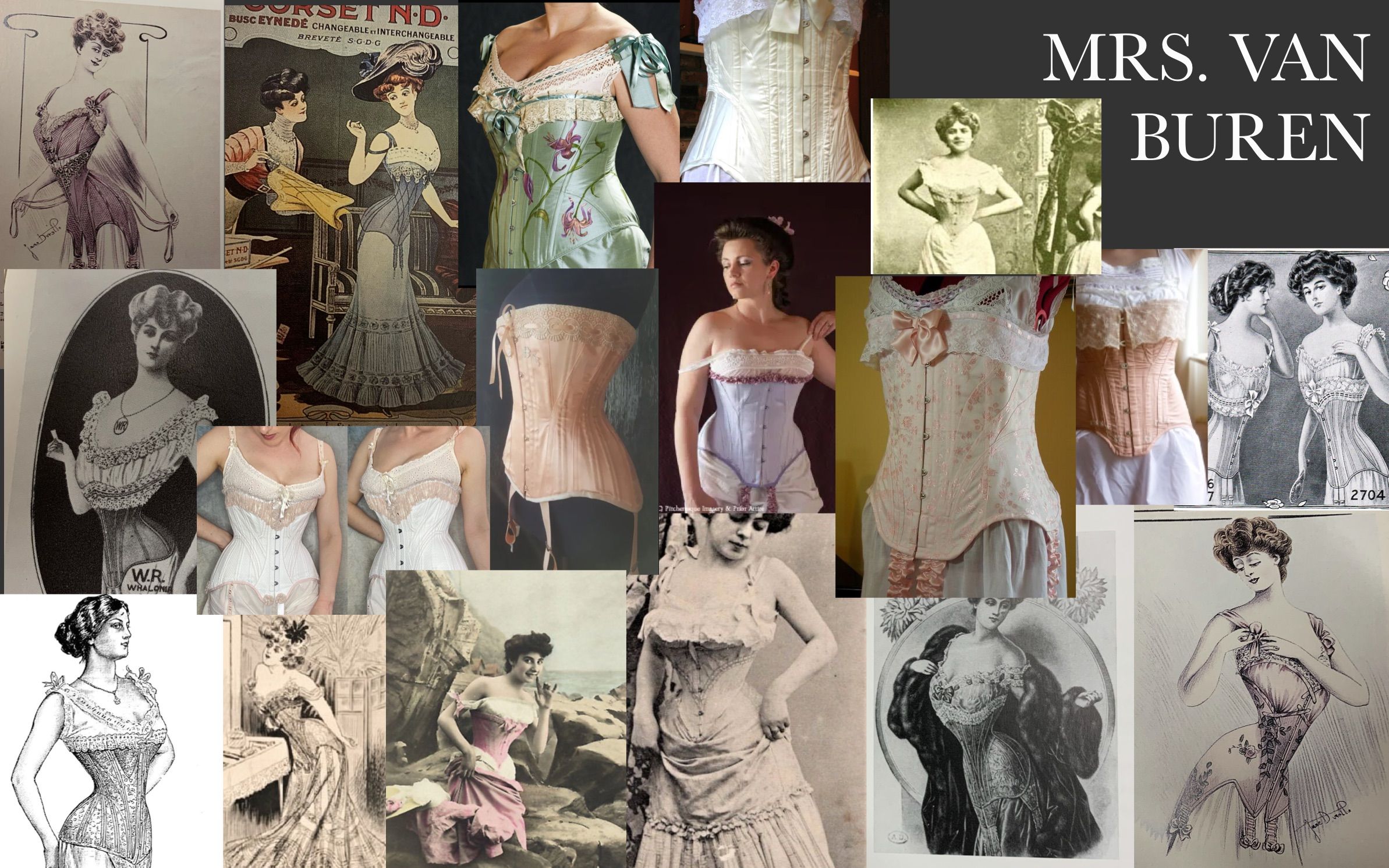
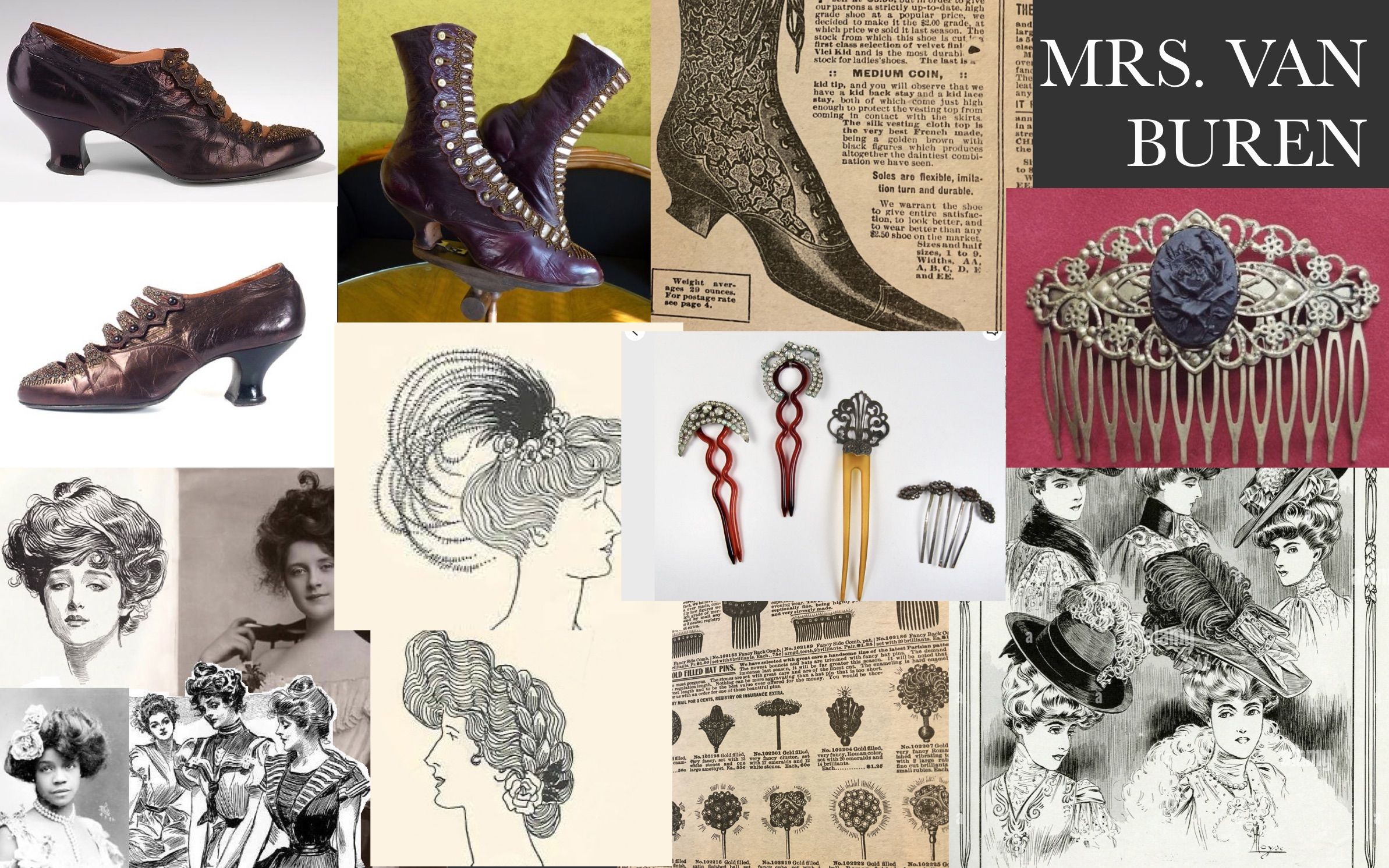
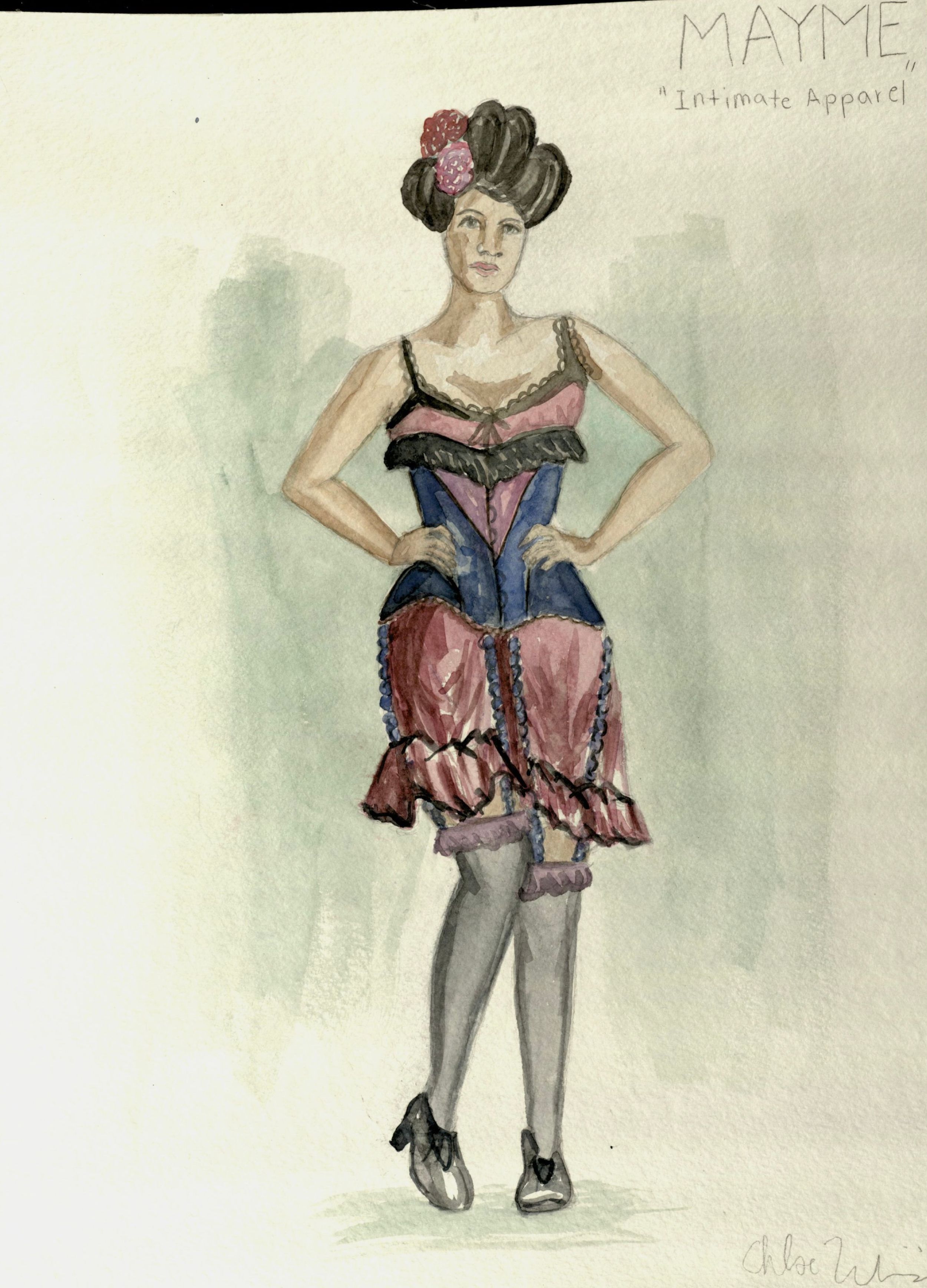
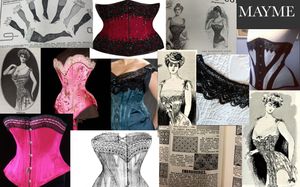
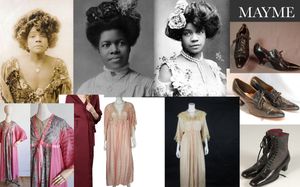
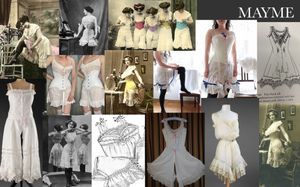
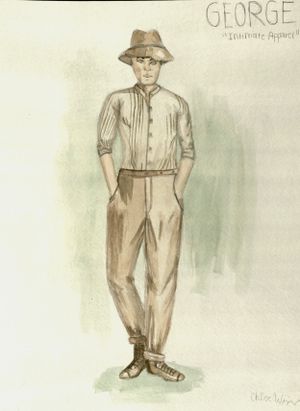
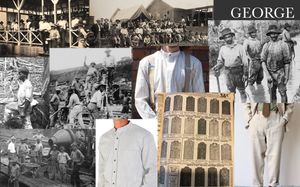
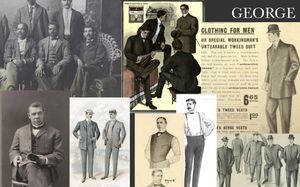
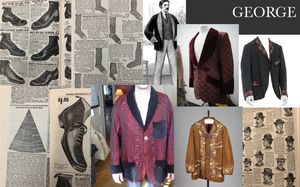
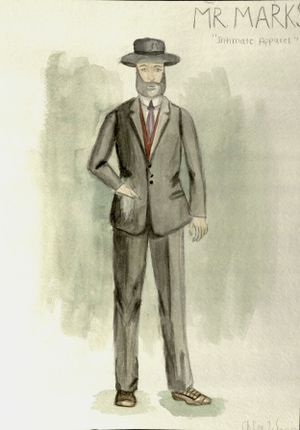
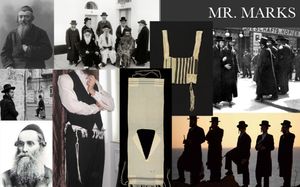
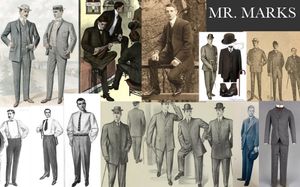
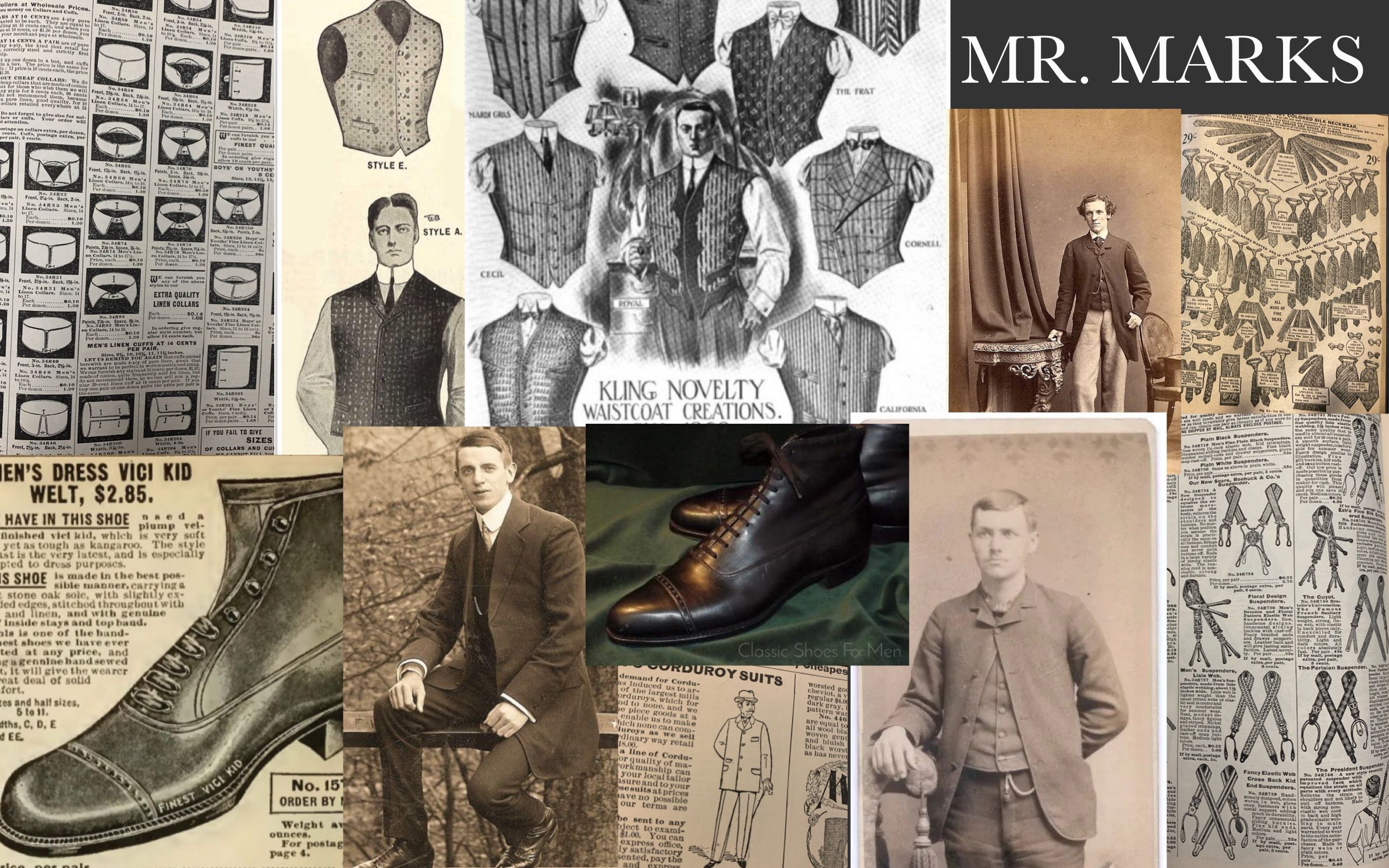
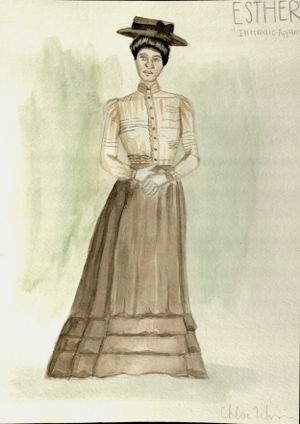
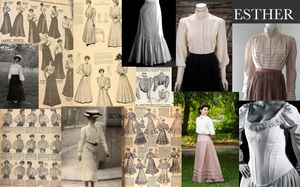
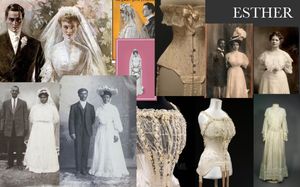
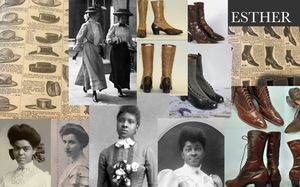
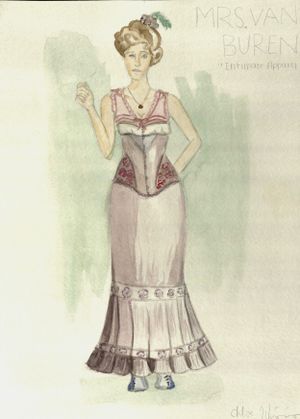
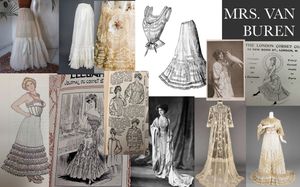
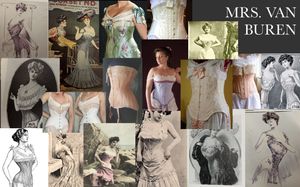
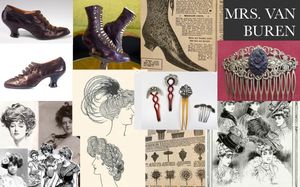
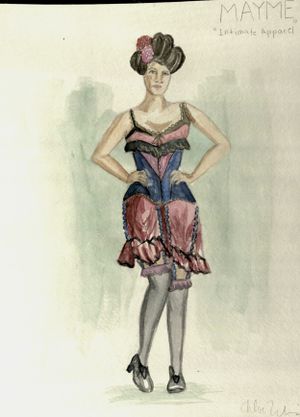
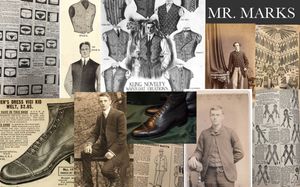
Set in 1905 in the tenderloin district of New York City, this show follows the interactions of the protagonist, a seamstress named Esther, with her clients and those around her. Historical accuracy was really important to this show, so I conducted period specific research in academic books, Sear's catalogues, and internet sources. I wanted most of the color of the show to come from Esther's designs for Mrs. Van Buren and Mayme, because her love and tender care towards clothing, fabric, and textures is really the heart of the show. I wanted her creations to draw the most attention. Wealth and class is another major factor of the show, so I chose to convey this through the modesty of clothing worn by the less wealthy characters, verse more accessories and flash to demonstrate wealth.
Medea
opera by Luigi Cherubini
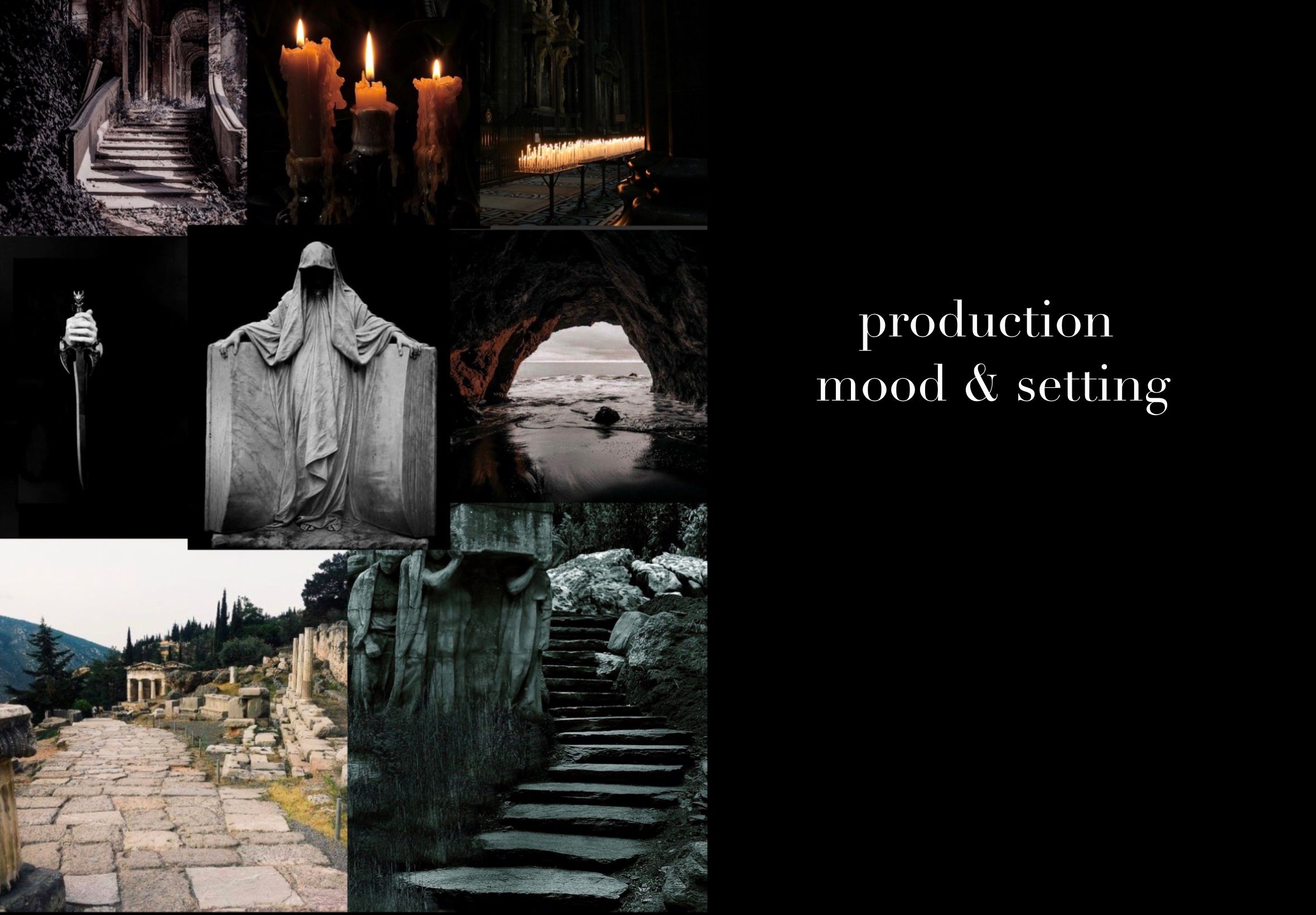
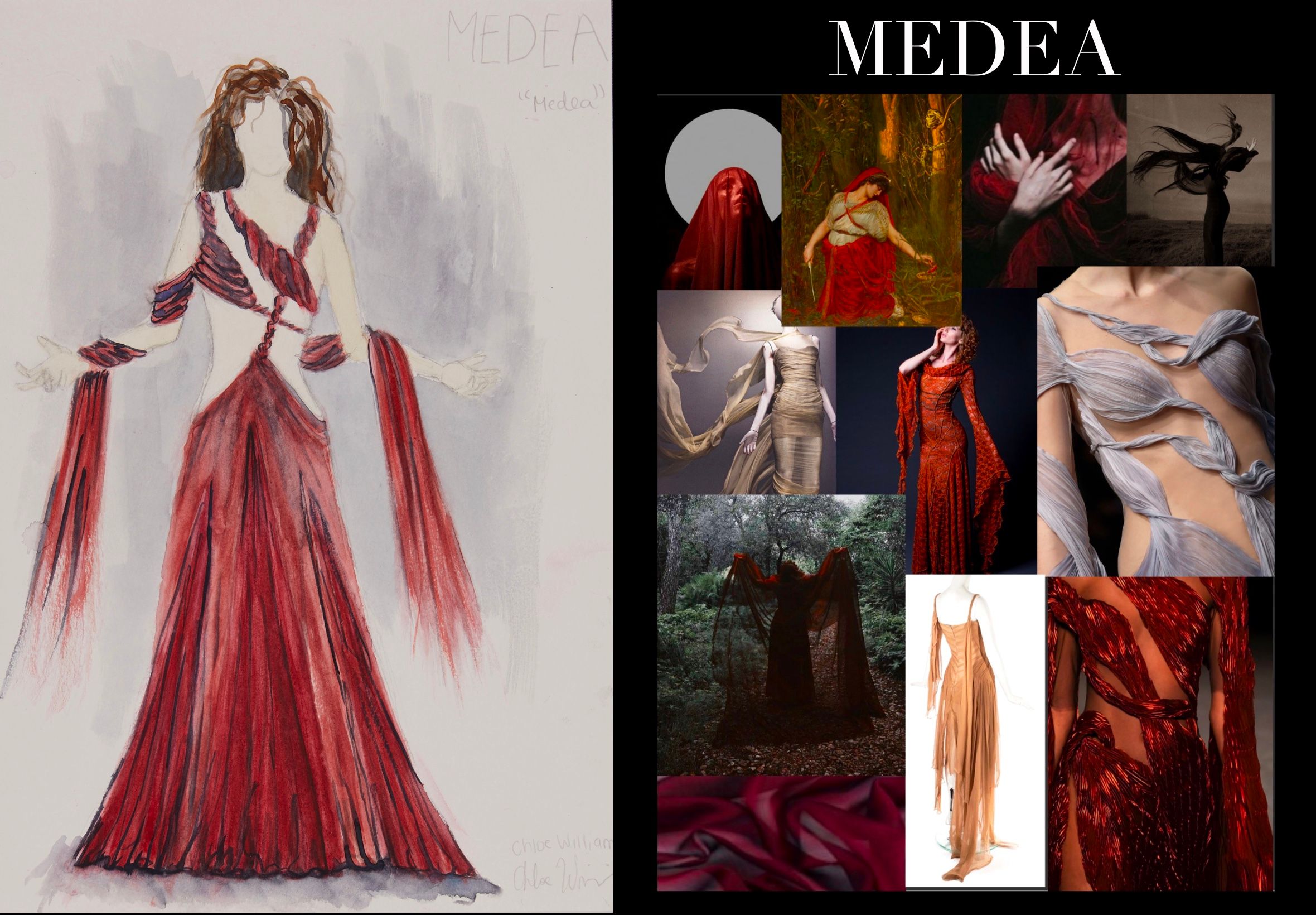
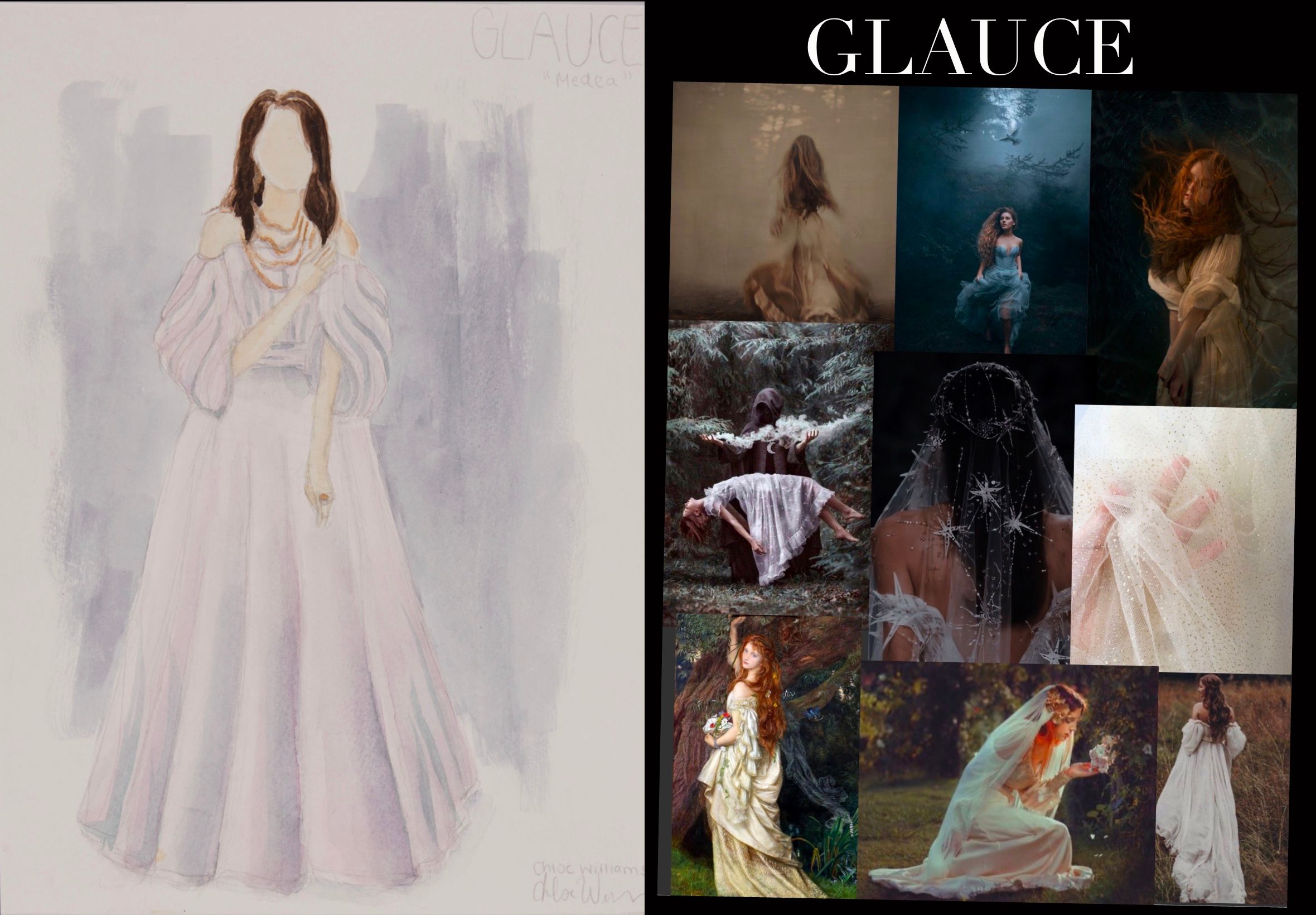
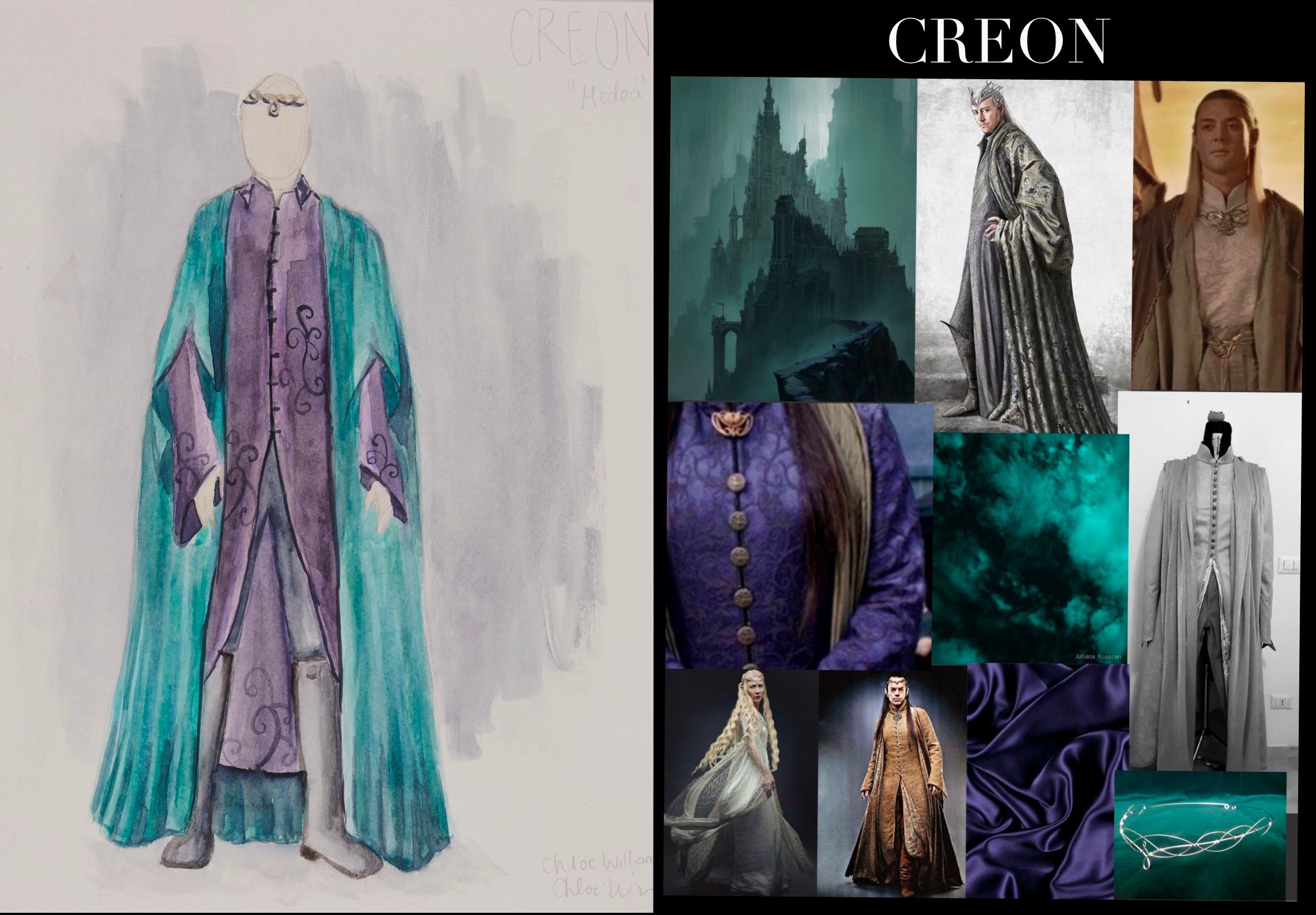
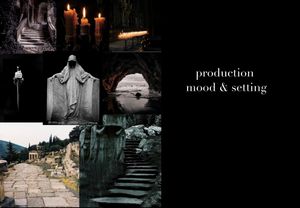
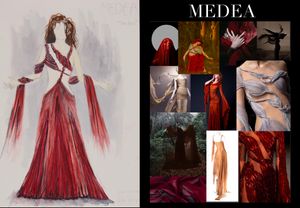
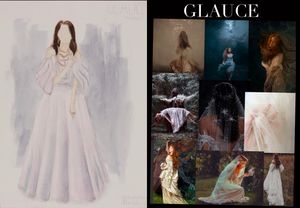
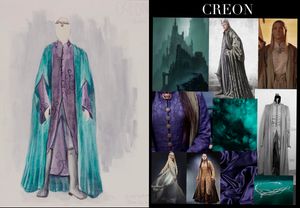
I wanted to emphasize the darkness and emotional intensity of the plot and music, leaning into the mentions of witchcraft to create a haunting and eerie atmosphere. I was inspired by dark fantasy imagery and elven costumes, which have a medieval feel to them. I also looked at pre-raphaelite paintings, which have a softness and beauty to them that is also dark and unsettling. I felt that drawing on these images provided a romantic and dramatic feel that helps to emphasize the grandeur and tragedy of the play, as well as its raw emotional intensity. Below are inspiration image boards and finished costume renderings.